
Resume
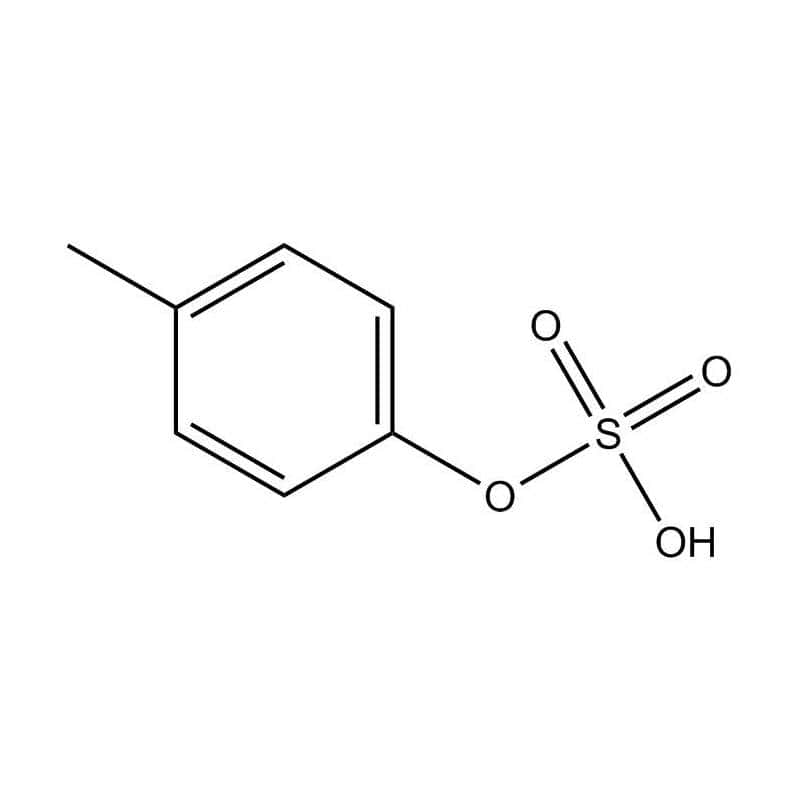
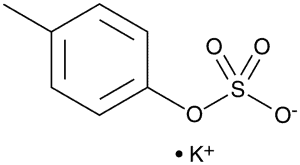
Background and objectives Uremic solutes p-cresol sulfate (PCS) and indoxyl sulfate (IS) are generated by colon bacteria that act on food components that escape absorption in the small intestine. Therefore, the production of these potentially toxic compounds can be influenced by diet. This study examined whether the production of PCS and IS is different in vegetarians and omnivores.
Design, Setting, participants, and measurements
The production of PCS and IS was assessed by measuring their urinary excretion rates in participants with normal renal function. The studies were carried out on 15 vegetarians and 11 individuals consuming an unrestricted diet. Participants recorded food intake for 4 days and collected urine for the last 2 days of each of the two study periods, which were separated by 1 month.
Results
The mean PCS excretion was 62% lower (95% confidence interval [95% CI], 15-83) and the mean SI excretion was 58% lower (95% CI, 39-71) in vegetarians than in participants consuming an unrestricted diet. Dietary records revealed that lower excretion of PCS and SI in vegetarians was associated with 69% higher fiber intake (95% CI, 20-139) and 25% lower protein intake (95% CI). , 3-42). PCS and IS excretion rates varied widely between individual participants and were not closely correlated with each other, but tended to remain stable in individual participants for 1 month.
Conclusions
The production rates of PCS and IS are markedly lower in vegetarians than in individuals consuming an unrestricted diet.